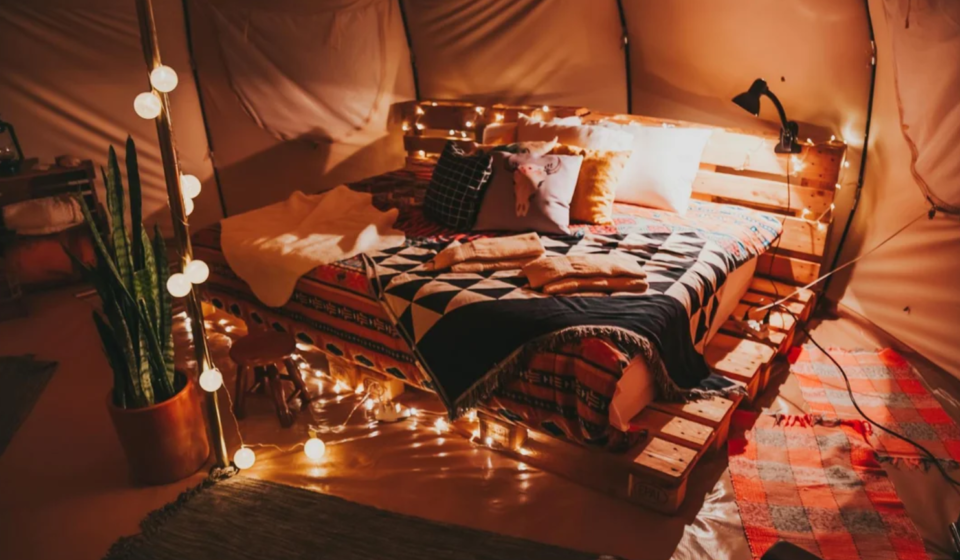

Lying awake staring at the ceiling is frustrating — and the harder you try to sleep, the more elusive it feels. The good news is that falling asleep faster is largely about habits and environment, and small changes can make a big difference.
Here are 12 natural, science-backed ways to fall asleep faster and wake up feeling more rested — no medication required.
1. Keep a Consistent Sleep Schedule
Your body runs on an internal clock called the circadian rhythm. Going to bed and waking up at the same time every day — even on weekends — trains your body to feel sleepy at the right time. Consistency is one of the most powerful tools for falling asleep faster.
2. Create a Wind-Down Routine
You can’t go from full speed to sleep instantly. Give yourself 30–60 minutes before bed to relax with calming activities: reading, gentle stretching, a warm shower, or quiet music. A consistent routine signals to your brain that sleep is coming.
3. Cut Screen Time Before Bed
The blue light from phones, tablets, and TVs suppresses melatonin, the hormone that makes you sleepy. Try to put screens away at least 30–60 minutes before bed. If you must use a device, enable night mode to reduce blue light.
4. Keep Your Bedroom Cool, Dark, and Quiet
Your sleep environment matters more than most people realize:
- Cool: A slightly cool room (around 18°C / 65°F) helps your body reach the temperature it needs for sleep.
- Dark: Use blackout curtains or an eye mask to block light.
- Quiet: Earplugs or a white noise machine can mask disruptive sounds.
5. Try the 4-7-8 Breathing Technique
This simple breathing exercise calms your nervous system:
- Breathe in quietly through your nose for 4 seconds.
- Hold your breath for 7 seconds.
- Exhale completely through your mouth for 8 seconds.
- Repeat 3–4 times.
Slowing your breathing lowers your heart rate and helps your body shift into rest mode.
6. Avoid Caffeine Late in the Day
Caffeine can stay in your system for 6–8 hours, so that afternoon coffee could still be keeping you up at night. Try to avoid caffeine after early afternoon, and watch out for hidden sources like tea, chocolate, and some sodas.
7. Get Sunlight During the Day
Natural light exposure during the day strengthens your circadian rhythm, making it easier to fall asleep at night. Try to get outside in the morning or work near a window. The contrast between bright days and dark nights helps regulate your sleep.
8. Exercise Regularly (But Not Too Late)
Regular physical activity helps you fall asleep faster and sleep more deeply. Just avoid intense workouts within a couple of hours of bedtime, as they can leave you too energized. A gentle evening walk or stretching is fine.
9. Watch What You Eat and Drink Before Bed
Heavy, spicy, or large meals close to bedtime can cause discomfort and disrupt sleep. Try to finish eating a few hours before bed. Also limit fluids right before sleep to avoid waking up for bathroom trips.
10. Don’t Lie Awake for Too Long
If you’ve been in bed for around 20 minutes and can’t sleep, don’t force it. Get up, go to another room, and do something calming in dim light until you feel sleepy. Lying awake frustrated only trains your brain to associate bed with stress.
11. Try Relaxation and Mindfulness
Racing thoughts are a common reason people can’t sleep. Techniques like progressive muscle relaxation (tensing and releasing each muscle group), meditation, or simply focusing on your breath can quiet a busy mind. A short guided sleep meditation can help too.
12. Reserve Your Bed for Sleep
Try not to work, scroll, or watch TV in bed. When your bed is used only for sleep, your brain builds a strong association between lying down and drifting off — so you fall asleep faster over time.
Frequently Asked Questions
How can I fall asleep in 2 minutes?
The “military method” is designed for this: relax your face, drop your shoulders and hands, exhale to relax your chest, then relax your legs. Finish by clearing your mind for 10 seconds — often by picturing a calm scene. With practice, many people fall asleep quickly using this technique combined with slow breathing.
Why can’t I fall asleep even when I’m tired?
Being physically tired but unable to sleep is often caused by stress, an irregular sleep schedule, too much screen time, caffeine, or an overactive mind. Improving your bedtime routine and sleep environment usually helps. If it persists, consider speaking with a doctor.
What can I drink to fall asleep faster?
Warm, caffeine-free drinks like chamomile tea or warm milk can be soothing before bed. Avoid alcohol — while it may make you drowsy, it disrupts sleep quality later in the night.
Is it bad to lie in bed awake?
Lying in bed awake for long periods can make your brain associate bed with wakefulness and frustration. If you can’t sleep after about 20 minutes, it’s better to get up and do something calming until you feel sleepy again.
Final Thoughts
Falling asleep faster comes down to consistency and giving your body the right signals. Keep a regular schedule, wind down before bed, limit screens and caffeine, and create a cool, dark, quiet room. Try a few of these tips tonight — and if sleep problems continue despite your efforts, it’s worth checking in with a doctor.
Interested in more wellness tips? Browse our health and lifestyle guides for more.
How to Fall Asleep Faster: 12 Natural Tips That Actually Work
Lying awake staring at the ceiling is frustrating — and the harder you try to sleep, the more elusive it feels. The good news is that falling asleep faster is largely about habits and environment, and small changes can make a big difference.
Here are 12 natural, science-backed ways to fall asleep faster and wake up feeling more rested — no medication required.
1. Keep a Consistent Sleep Schedule
Your body runs on an internal clock called the circadian rhythm. Going to bed and waking up at the same time every day — even on weekends — trains your body to feel sleepy at the right time. Consistency is one of the most powerful tools for falling asleep faster.
2. Create a Wind-Down Routine
You can’t go from full speed to sleep instantly. Give yourself 30–60 minutes before bed to relax with calming activities: reading, gentle stretching, a warm shower, or quiet music. A consistent routine signals to your brain that sleep is coming.
3. Cut Screen Time Before Bed
The blue light from phones, tablets, and TVs suppresses melatonin, the hormone that makes you sleepy. Try to put screens away at least 30–60 minutes before bed. If you must use a device, enable night mode to reduce blue light.
4. Keep Your Bedroom Cool, Dark, and Quiet
Your sleep environment matters more than most people realize:
- Cool: A slightly cool room (around 18°C / 65°F) helps your body reach the temperature it needs for sleep.
- Dark: Use blackout curtains or an eye mask to block light.
- Quiet: Earplugs or a white noise machine can mask disruptive sounds.
5. Try the 4-7-8 Breathing Technique
This simple breathing exercise calms your nervous system:
- Breathe in quietly through your nose for 4 seconds.
- Hold your breath for 7 seconds.
- Exhale completely through your mouth for 8 seconds.
- Repeat 3–4 times.
Slowing your breathing lowers your heart rate and helps your body shift into rest mode.
6. Avoid Caffeine Late in the Day
Caffeine can stay in your system for 6–8 hours, so that afternoon coffee could still be keeping you up at night. Try to avoid caffeine after early afternoon, and watch out for hidden sources like tea, chocolate, and some sodas.
7. Get Sunlight During the Day
Natural light exposure during the day strengthens your circadian rhythm, making it easier to fall asleep at night. Try to get outside in the morning or work near a window. The contrast between bright days and dark nights helps regulate your sleep.
8. Exercise Regularly (But Not Too Late)
Regular physical activity helps you fall asleep faster and sleep more deeply. Just avoid intense workouts within a couple of hours of bedtime, as they can leave you too energized. A gentle evening walk or stretching is fine.
9. Watch What You Eat and Drink Before Bed
Heavy, spicy, or large meals close to bedtime can cause discomfort and disrupt sleep. Try to finish eating a few hours before bed. Also limit fluids right before sleep to avoid waking up for bathroom trips.
10. Don’t Lie Awake for Too Long
If you’ve been in bed for around 20 minutes and can’t sleep, don’t force it. Get up, go to another room, and do something calming in dim light until you feel sleepy. Lying awake frustrated only trains your brain to associate bed with stress.
11. Try Relaxation and Mindfulness
Racing thoughts are a common reason people can’t sleep. Techniques like progressive muscle relaxation (tensing and releasing each muscle group), meditation, or simply focusing on your breath can quiet a busy mind. A short guided sleep meditation can help too.
12. Reserve Your Bed for Sleep
Try not to work, scroll, or watch TV in bed. When your bed is used only for sleep, your brain builds a strong association between lying down and drifting off — so you fall asleep faster over time.
Frequently Asked Questions
How can I fall asleep in 2 minutes?
The “military method” is designed for this: relax your face, drop your shoulders and hands, exhale to relax your chest, then relax your legs. Finish by clearing your mind for 10 seconds — often by picturing a calm scene. With practice, many people fall asleep quickly using this technique combined with slow breathing.
Why can’t I fall asleep even when I’m tired?
Being physically tired but unable to sleep is often caused by stress, an irregular sleep schedule, too much screen time, caffeine, or an overactive mind. Improving your bedtime routine and sleep environment usually helps. If it persists, consider speaking with a doctor.
What can I drink to fall asleep faster?
Warm, caffeine-free drinks like chamomile tea or warm milk can be soothing before bed. Avoid alcohol — while it may make you drowsy, it disrupts sleep quality later in the night.
Is it bad to lie in bed awake?
Lying in bed awake for long periods can make your brain associate bed with wakefulness and frustration. If you can’t sleep after about 20 minutes, it’s better to get up and do something calming until you feel sleepy again.
Final Thoughts
Falling asleep faster comes down to consistency and giving your body the right signals. Keep a regular schedule, wind down before bed, limit screens and caffeine, and create a cool, dark, quiet room. Try a few of these tips tonight — and if sleep problems continue despite your efforts, it’s worth checking in with a doctor.
Interested in more wellness tips? Browse our health and lifestyle guides for more.


[…] Also Read: How to Fall Asleep Faster: 12 Natural Tips That Actually Work […]