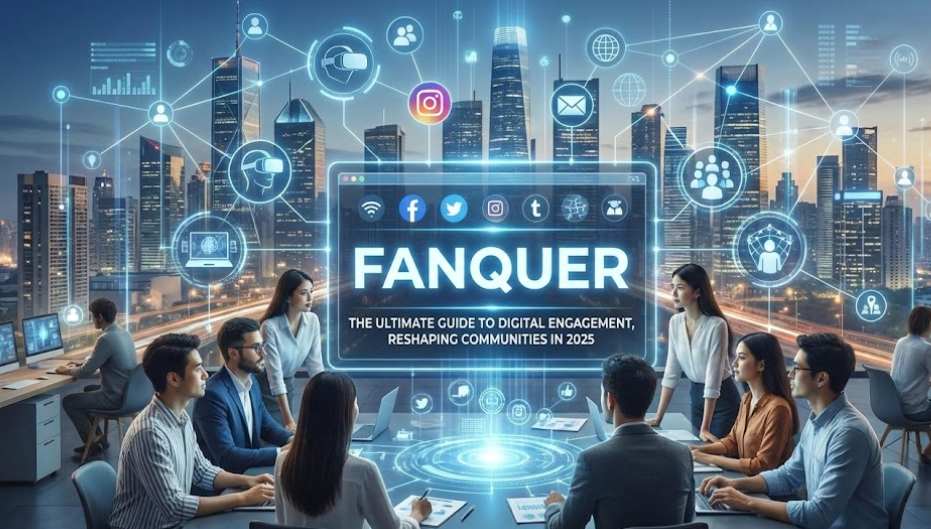

In 2025, one digital term is quietly transforming how creators, brands, and platforms engage with their audiences: Fanquer. If you’ve noticed the word fanquer appearing in creator communities, startup roadmaps, SaaS feature discussions, or fandom forums, you’re not alone.
Fanquer is not just another internet buzzword—it represents a new engagement framework that blends fandom culture, interactive prompts, queued participation, and reward-based collaboration into a single, repeatable loop.
In this comprehensive guide, you’ll learn:
- What Fanquer really means
- Why Fanquer is gaining massive attention in 2025
- How Fanquer works step-by-step
- Real-world Fanquer use cases
- Tools, metrics, and best practices
- Governance, ethics, and the future of Fanquer
Whether you’re a content creator, brand strategist, SaaS founder, educator, or community manager, this guide will help you decide how Fanquer fits into your growth strategy.
What Is Fanquer?
Fanquer Definition (Simple Explanation)
Fanquer is a hybrid digital engagement concept that combines:
- Fan-driven prompts
- Queued submissions or responses
- Curated reveals
- Quest-style rewards
At its core, Fanquer is designed to turn passive audiences into active contributors through a structured, cyclical interaction model.
A Working Definition of Fanquer
Fanquer is a structured engagement loop where creators or organizations prompt their audience, queue and curate responses, publicly reveal selected contributions, reward participation, and feed insights back into the next cycle.
Unlike traditional comments or likes, Fanquer introduces intentional participation—people don’t just react; they help shape outcomes.
Why Fanquer Is Gaining Attention in 2025
Fanquer didn’t emerge by accident. Its rise is tied to several major shifts in the digital landscape.
1. The Creator Economy Has Matured
In earlier years, creators focused on follower counts and vanity metrics. In 2025:
- Audiences want recognition, not just content
- Fans want influence, not just entertainment
- Communities want stakes, not noise
Fanquer satisfies all three by offering visibility, agency, and reward.
2. Platform Algorithms Favor Engagement Loops
Modern algorithms prioritize:
- Frequent interactions
- Short engagement cycles
- Repeat participation
Fanquer mechanics—time-boxed prompts, public queues, and reveal moments—are naturally algorithm-friendly.
3. Tooling Has Finally Caught Up
In the past, running structured engagement loops required engineering teams. Today:
- No-code tools
- Token-gated communities
- Lightweight CRMs
- Automated moderation
These tools make Fanquer accessible to any size creator or organization.
The Core Components of a Fanquer Activation
Every Fanquer implementation—no matter how simple or complex—relies on four core components.
1. The Prompt Engine
The prompt is the heartbeat of Fanquer.
What Makes a Strong Fanquer Prompt?
- Clear and bounded
Example: “Vote for next week’s episode topic”
(Better than “What do you think?”) - Time-boxed
8-hour, 24-hour, or 48-hour windows increase urgency. - Multi-modal
Prompts can be:- Text-based
- Audio clips
- Short videos
- Visual mockups
This expands accessibility and creativity.
2. The Queue Layer
Once responses arrive, they need structure.
What Is the Fanquer Queue?
The queue is a lightweight system that:
- Captures submissions
- Tags entries
- Ranks or scores responses
- Makes participation visible
Best Practices for Queue Design
- Combine auto-ranking (engagement, votes) with human curation
- Allow public or semi-public visibility for social proof
- Highlight “new,” “trending,” or “editor’s picks”
A transparent queue fuels FOMO and quality competition.
3. The Reveal and Reward System
The reveal is where Fanquer becomes addictive.
The Power of the Reveal Moment
- Weekly or monthly reveals build anticipation
- Public acknowledgment validates effort
- Explaining why entries were chosen teaches quality
Fanquer Reward Types
Lightweight Rewards
- Shout-outs
- Badges
- Discord roles
Mid-Tier Rewards
- Early access
- Discount codes
- Limited digital items
High-Value Rewards
- Revenue share pilots
- Collaboration opportunities
- Event or backstage access
Rewards should scale with effort.
4. The Insight Loop
Fanquer is not just engagement—it’s intelligence.
What Data Fanquer Generates
- Participation rates
- Repeat contributor behavior
- Topic popularity
- Conversion signals
These insights feed directly into:
- Content planning
- Product roadmaps
- Community strategy
Popular Fanquer Use Cases in 2025
Fanquer is industry-agnostic. Here’s how it’s being used today.
Fanquer for Creators and Fandom Communities
Creators are using Fanquer to co-create with fans.
Examples
- Episode Co-Creation
Fans vote on:- Topics
- Guests
- Story arcs
- Merchandise Ideation
Communities choose:- Colorways
- Slogans
- Designs
- Tour and Event Planning
Fans prioritize:- Cities
- Venues
- Setlists
This transforms fans into stakeholders.
Fanquer for Product Teams and Startups
Product teams use Fanquer to reduce guesswork.
Common Applications
- Feature Voting
Users propose and upvote features.
Top items enter development sprints. - Launch Hype Quests
Reward micro-actions like:- Waitlist signups
- Social sharing
- Beta feedback
- Customer Support Deflection
High-quality fan answers surface before tickets escalate.
Fanquer in Education and Cohort Programs
Education thrives on participation, and Fanquer delivers.
Examples
- Weekly knowledge prompts
- Peer-to-peer teaching queues
- Challenge sprints with badges
- Alumni-led mentorship reveals
Fanquer improves retention, mastery, and community bonding.
How to Design a High-Performing Fanquer Flow
Here’s a step-by-step framework to launch your own Fanquer system.
Step 1: Define One North Star Metric
Choose one primary goal:
- Participation rate
- Quality submissions
- Paid conversion
Every design decision should support this metric.
Step 2: Build a Prompt Taxonomy
Rotate prompt types to avoid fatigue.
Decision Prompts
- Polls
- Votes
Creative Prompts
- Designs
- Videos
- Writing
Knowledge Prompts
- Tutorials
- Tips
- Explanations
Step 3: Structure the Queue
Intake
- Forms
- Hashtags
- In-app buttons
Tagging
- Topic
- Format
- Effort level
- Contributor tier
Scoring Model
- 60% engagement
- 30% curator score
- 10% novelty
Step 4: Design the Reveal Ritual
- Pick a consistent day and time
- Add countdowns
- Showcase winners and honorable mentions
- Pair with a clear CTA (subscribe, preorder, RSVP)
Step 5: Choose Rewards That Compound
The best Fanquer rewards grow in value over time, encouraging repeat participation.
Fanquer Tooling Stack and Integrations
You don’t need a custom platform to run Fanquer.
Collection Tools
- Form builders with auto-tagging
- Social listening for hashtag capture
- Audio and video submissions
Orchestration Tools
- CRMs or ESPs for segmentation
- No-code automation
- Moderation dashboards
Presentation Tools
- Public galleries
- Live reveal slides
- Digital badge systems
Measurement Tools
- Cohort dashboards
- Funnel tracking
- LTV analysis for contributors vs lurkers
Fanquer Metrics That Actually Matter
Avoid vanity metrics. Focus on:
Participation Depth
- Unique contributors
- Repeat participation
- Time-to-first submission
Submission Quality
- Curator scores
- Completion rates
- Real-world usage
Conversion Outcomes
- Email capture
- Revenue impact
- Retention improvement
Governance, Safety, and Ethics in Fanquer
With great engagement comes responsibility.
Community Guardrails
- Clear content rules
- Visible moderation
- Consent for public displays
- Data deletion options
Fairness and Transparency
- Publish selection criteria
- Disclose sponsored prompts
- Rotate visibility
- Credit contributors when ideas ship
Ethical Fanquer builds trust, not exploitation.
Real-World Fanquer Examples
Indie Creator
- Weekly topic vote
- Public shout-out
- Early access reward
SaaS Startup
- Monthly feature Fanquer
- Private roadmap calls for winners
- Public shipping updates
University Program
- Cohort quests
- Alumni-judged showcases
- Mentorship rewards
Fanquer Quick-Start Checklist
- Define one metric
- Create three prompt types
- Launch a simple intake form
- Plan a weekly reveal
- Offer a lightweight reward
- Measure and iterate
Final Thoughts: Is Fanquer Worth It?
Fanquer is not just a trend—it’s a modern engagement playbook.
In a world where attention is scarce and trust is everything, Fanquer:
- Builds loyalty
- Surfaces talent
- Strengthens community
- Turns audiences into collaborators
Start small. Ship your first prompt. Learn from the queue.
Let your community show you what to build next.
Fanquer isn’t about controlling attention—it’s about sharing ownership.
Also Read: Lesbufy: Meaning, Influence, and Why It Matters in Today’s Digital Culture



Pingback: Myreadignmnaga: Why This Manga Reading Platform Is Trending Among Fans Worldwide - Wachappe